Understanding Newcastle Disease: A Global Threat to Poultry Health
Newcastle Krankheit, known globally as Newcastle Disease (ND), is a formidable and highly contagious viral illness that poses a severe threat to avian populations worldwide. This economically devastating and notifiable disease affects a wide range of bird species, particularly domestic poultry such as chickens and turkeys. Its widespread prevalence and varied clinical manifestations make it a constant concern for poultry farmers, veterinarians, and animal health authorities.
First identified in 1927 in Newcastle upon Tyne, England, this disease quickly gained notoriety for its rapid spread and severe impact. Due to its striking similarities to Avian Influenza (bird flu), it's often referred to in professional circles as "atypical fowl pest." Understanding the nature of this pathogen, its transmission, and the diverse symptoms it presents is crucial for effective prevention and control, safeguarding global food security and animal welfare.
The Pathogen Behind the Plague: Newcastle Disease Virus (NDV)
At the heart of Newcastle Krankheit lies the Newcastle Disease Virus (NDV), a highly adaptable and robust pathogen. NDV is classified as a subtype of Avian paramyxovirus 1 (APMV1), belonging to the genus Orthoavulavirus (formerly Avulavirus) within the family Paramyxoviridae. This viral family is responsible for a range of diseases, including mumps in humans and kennel cough in dogs, highlighting a shared lineage that underscores the evolutionary success of these pathogens.
The virus's global distribution is facilitated by its ability to survive for extended periods in the environment and its highly contagious nature. NDV spreads rapidly through direct contact with infected birds' bodily secretions, including respiratory droplets and feces. Contaminated feed, water, equipment, and clothing can also act as vectors. Wild birds, particularly migratory species, are significant reservoirs and can unknowingly introduce the virus to domestic flocks. Furthermore, humans who come into contact with infected birds or contaminated materials can unwittingly carry the virus on their clothing or hands, facilitating its spread to new locations. This rapid and multifaceted transmission pathway makes containing outbreaks a significant challenge for even the most vigilant poultry operations.
Recognizing the Diverse Symptoms of Newcastle Krankheit
One of the most insidious aspects of Newcastle Krankheit is the vast variability in its clinical presentation. Symptoms can range from extremely mild, almost unnoticeable signs to acute, rapidly fatal disease. This makes early detection challenging, as flocks may appear healthy even while infected birds are shedding the virus.
Subtle to Severe Manifestations:
- Mild Forms: In less virulent strains, birds might exhibit subtle behavioral changes, such as reduced activity, ruffled feathers, and a noticeable drop in egg production. They may appear generally listless and lose appetite. Often, secondary bacterial infections can complicate these mild cases, leading to higher mortality than the primary viral infection alone.
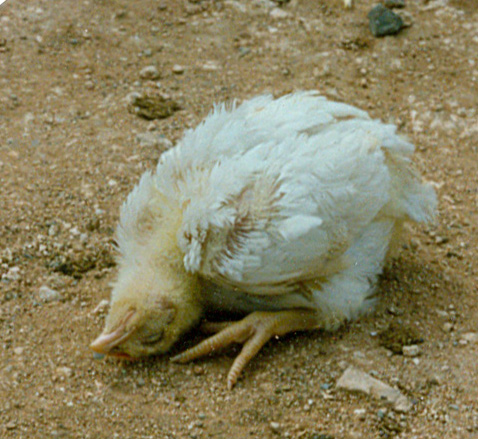
- Severe Forms: The most virulent forms of Newcastle Disease are characterized by a sudden onset and rapid progression. Birds may develop a high fever, reaching up to 43 degrees Celsius. Respiratory distress is common, with gasping, coughing, and the accumulation of thick, tenacious mucus around the beak and eyes.
Key Clinical Signs to Watch For:
- Gastrointestinal Disturbances: Extreme, watery diarrhea is a classic symptom, often appearing greenish and sometimes mixed with blood.
- Neurological Disorders: Central nervous system signs include tremors, torticollis (twisted neck), paralysis of legs and wings, and circling. These neurological symptoms are particularly distressing and indicate severe viral damage.
- Circulatory Issues: Dark discoloration of the comb and wattles can indicate circulatory disturbances, a grave sign in affected birds.
- Mortality: In the most severe outbreaks, the disease progresses rapidly, leading to death within approximately five days of symptom onset. Mortality rates can reach 100% in highly susceptible flocks, making it one of the most devastating poultry diseases. The incubation period typically ranges from 4 to 6 days, but the virus can spread extensively during this asymptomatic phase, making containment incredibly difficult.
The highly variable nature of these symptoms underscores the importance of close monitoring of flock health and immediate action upon any suspicion of disease. Early detection is key to preventing widespread transmission, especially given the rapid spread that can occur before clear symptoms emerge, often allowing the virus to be unknowingly carried out of a facility by human contact.
Economic and Practical Implications: Impact on Poultry and Beyond
The economic ramifications of Newcastle Krankheit are profound, particularly for the commercial poultry industry. An outbreak can lead to massive financial losses due to high mortality rates, drastic reductions in egg production, and a severe decline in the quality of eggs, affecting both shell strength and albumen consistency. For commercial layer and breeder flocks, where productivity is paramount, an ND outbreak can be catastrophic, leading to extensive culling and significant operational disruptions. Beyond the immediate losses, trade restrictions and bans on poultry products from affected regions can have far-reaching economic consequences, impacting national and international markets.
Newcastle Disease is also a "notifiable disease" in many countries, meaning any suspected or confirmed case must be immediately reported to animal health authorities. This status triggers a cascade of control measures, including movement restrictions, quarantine, and potential culling of affected flocks, all designed to prevent further spread but carrying significant economic burdens for producers. Understanding these consequences is crucial for effective management and leads us to explore detailed prevention strategies in Newcastle Krankheit - Article 2.
While primarily a disease of birds, humans are not entirely immune to Newcastle Disease Virus. However, human infections are typically mild and self-limiting, mainly manifesting as conjunctivitis (inflammation of the eye) or mild flu-like symptoms, especially in individuals with close contact to infected birds or lab workers handling the virus. It is not considered a significant public health threat.
The susceptibility of various bird species extends beyond domestic chickens and turkeys. Pigeons, quails, pheasants, penguins, and even crows are known to be vulnerable to NDV, highlighting its broad impact on avian wildlife and potentially serving as reservoirs for the virus. This broad host range makes environmental surveillance and wildlife management critical components of a comprehensive control strategy.
Prevention and Control: Protecting Poultry Flocks
Effective management of Newcastle Krankheit hinges on robust prevention strategies and rapid response mechanisms. Given the highly contagious nature of NDV and its devastating potential, a multi-faceted approach combining stringent biosecurity, regular vaccination, and diligent surveillance is essential for protecting poultry health.
Pillars of Prevention:
- Biosecurity Measures: This is the first line of defense. Strict biosecurity protocols are paramount, regardless of flock size.
- Limited Access: Control entry to poultry houses, allowing only essential personnel. Implement strict changing and showering policies for staff.
- Sanitation and Disinfection: Regularly clean and disinfect all equipment, vehicles, and premises. Use footbaths with effective disinfectants at all entry points.
- Quarantine: Isolate all new birds for a minimum of 30 days before introducing them to the main flock. Monitor their health closely during this period.
- Pest Control: Implement effective rodent and wild bird control programs, as these animals can carry the virus.
- Carcass Disposal: Properly dispose of dead birds through incineration or composting to prevent further spread of the virus.
- Vaccination Programs: Vaccination is a cornerstone of ND control. While it may not prevent infection entirely, it significantly reduces the severity of the disease and viral shedding.
- Types of Vaccines: Both live and inactivated vaccines are available. Live vaccines are often administered via drinking water or spray, providing rapid immunity. Inactivated vaccines are usually injected and offer longer-lasting, stronger immunity.
- Vaccination Schedule: A tailored vaccination program, designed by a veterinarian, is crucial, considering local disease prevalence, bird age, and the type of production system. Booster vaccinations are often necessary to maintain adequate protection.
- Surveillance and Rapid Reporting: Vigilance is key. Poultry producers must constantly monitor their flocks for any signs of illness, no matter how subtle. Any suspicion of Newcastle Disease must be immediately reported to local veterinary authorities. Early detection allows for prompt implementation of control measures, limiting the spread and impact of an outbreak.
- Education and Training: Regular training for farm staff on biosecurity, symptom recognition, and proper hygiene practices is vital. An informed workforce is a critical asset in disease prevention.
For a deeper dive into vaccination protocols and advanced biosecurity methods, refer to Newcastle Krankheit - Article 3. These proactive measures, when consistently applied, significantly reduce the risk of Newcastle Krankheit outbreaks, protecting both individual flocks and the broader poultry industry.
Conclusion
Newcastle Krankheit, or Newcastle Disease, represents a persistent and significant challenge to global poultry health. Its highly contagious nature, diverse clinical manifestations, and devastating economic impact underscore the critical need for constant vigilance and comprehensive control strategies. From understanding the virulent Newcastle Disease Virus to recognizing the varied symptoms and implementing stringent biosecurity and vaccination programs, every aspect plays a vital role in safeguarding avian populations. By prioritizing prevention, promoting rapid detection, and fostering collaboration among farmers, veterinarians, and regulatory bodies, we can collectively work towards mitigating the threat of this formidable disease and ensuring the continued health and productivity of our poultry resources worldwide.