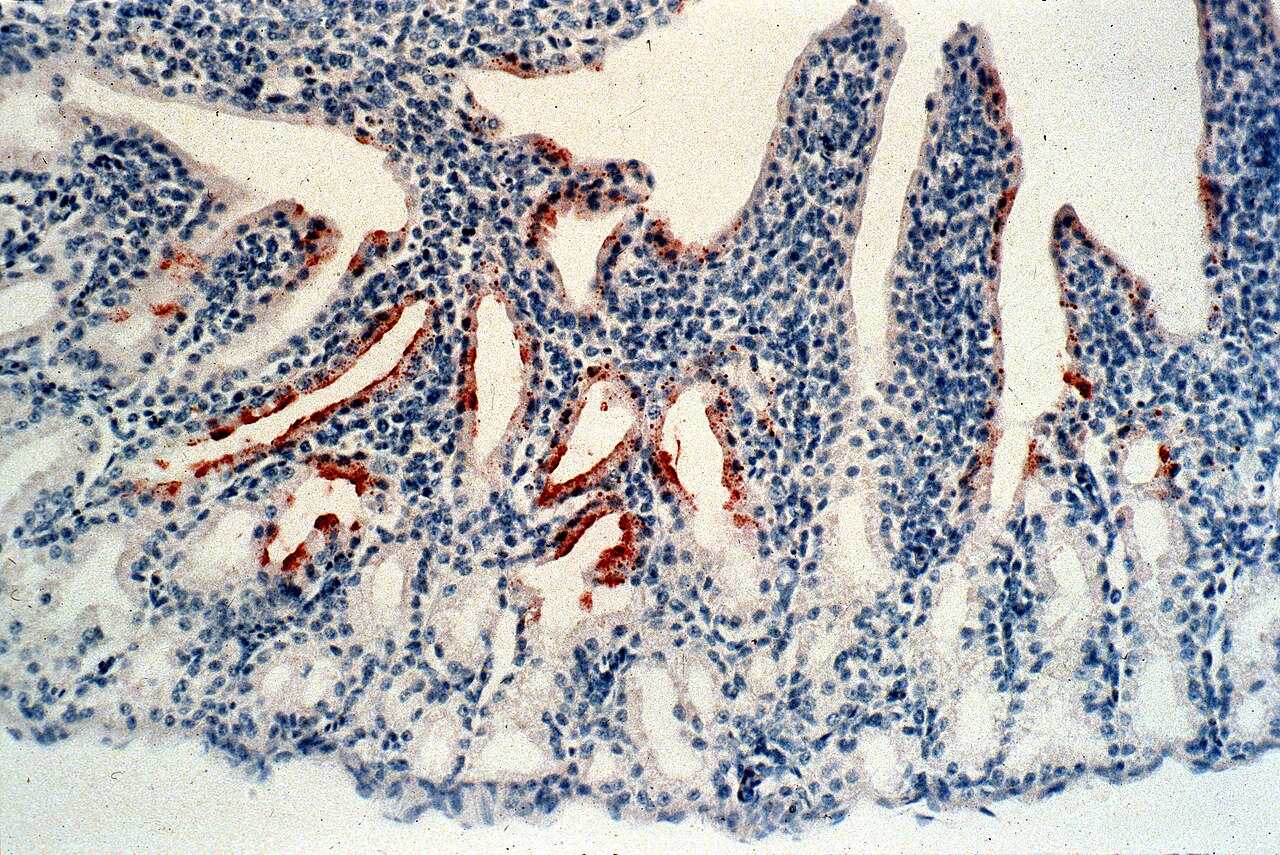
Newcastle Krankheit: Unveiling the Atypical Fowl Plague
Newcastle Krankheit, known globally as Newcastle Disease (ND) or Pseudo Fowl Pest, represents a formidable and pervasive threat to avian populations worldwide. This highly contagious and mandatorily notifiable viral disease is notorious for its devastating impact on poultry, resembling in many ways the more commonly known Avian Influenza, hence its designation as "Atypical Fowl Plague" in professional circles. First identified in Europe in 1927 in Newcastle upon Tyne, UK, its name serves as a stark reminder of its origin and the global journey it has undertaken since. Understanding Newcastle Krankheit is paramount for anyone involved in poultry farming, animal health, or even backyard chicken keeping, as its rapid spread and severe consequences can decimate entire flocks and incur significant economic losses.
Understanding Newcastle Disease: The Global Threat to Poultry
At the heart of Newcastle Krankheit lies the Newcastle Disease Virus (NDV), a formidable pathogen classified as a subtype of Avian paramyxovirus 1 (APMV1), specifically within the species
Orthoavulavirus javaense from the family Paramyxoviridae. This viral classification highlights its close genetic ties to other paramyxoviruses, including those responsible for paramyxovirosis in various species. Interestingly, NDV was once grouped with the genus
Rubulavirus, which also includes the causative agents of human mumps and canine kennel cough, demonstrating its complex evolutionary relationships within the viral kingdom.
The global prevalence of Newcastle Krankheit underscores its significance. Its ability to spread rapidly across geographical boundaries, coupled with its high infectivity, means that strict biosecurity measures and vigilant monitoring are essential. The "notifiable disease" status in many countries reflects the grave concern authorities have regarding its potential to cripple agricultural sectors. When outbreaks occur, they not only lead to direct bird mortality but also necessitate widespread culling, quarantine restrictions, and trade limitations, all of which contribute to substantial financial repercussions for producers and national economies alike.
Diverse Manifestations: Symptoms and Disease Course
One of the most insidious aspects of Newcastle Krankheit is the wide variability in its clinical presentation, making early diagnosis a significant challenge. Symptoms can range from extremely mild, almost imperceptible manifestations, to acutely severe forms leading to sudden death. This variability is often dependent on the specific strain of NDV, the host species, and the birds' immune status.
Initially, poultry keepers might observe subtle changes in flock behavior and appearance. Affected birds often appear lethargic, sitting ruffled and puffed up, with a noticeable decline in their usual activity levels. A drop in egg production is frequently among the first signs in laying hens, often accompanied by a deterioration in eggshell quality and albumen consistency.
As the disease progresses, more distinct symptoms emerge. Respiratory distress is common, manifesting as coughing, sneezing, gasping, and difficulty breathing. A characteristic thick, tenacious mucus may cover the beak and eyes, further exacerbating respiratory issues. Digestive disturbances are also prevalent, with birds exhibiting greenish, watery diarrhea that can sometimes be streaked with blood.
Neurological signs can develop in some forms of the disease, including tremors, wing and leg paralysis, torticollis (twisted neck), and ataxia (incoordination). High fever, reaching up to 43 degrees Celsius, is a strong indicator of infection, and circulatory disorders may be evident through the darkening of the comb and wattles.
The incubation period for Newcastle Krankheit typically ranges from 4 to 6 days. However, the disease can progress with alarming speed. In its most severe, hyperacute form, birds may die suddenly without exhibiting any preceding clinical signs, leading to a devastating 100% mortality rate within a flock. This rapid progression is particularly challenging for disease control, as infected birds can unknowingly spread the virus before any symptoms are apparent, further compounding the risk of widespread transmission. The economic impact on commercial laying and breeding flocks can be catastrophic, as both the quantity and quality of production are severely compromised, leading to massive financial losses.
Who is at Risk? Susceptible Species and Transmission
The primary hosts for Newcastle Krankheit are domestic poultry, with chickens and turkeys of all ages being particularly susceptible to the virus. However, the virus is not confined to these species alone. A wide range of other avian species can contract the disease, including pigeons, quail, pheasants, guinea fowl, ducks, geese, and even wild birds like penguins and ravens. This broad host range makes surveillance and control efforts even more complex, as wild bird populations can act as reservoirs, contributing to the persistent spread of the virus.
While Newcastle Disease is primarily an avian pathogen, humans are not entirely immune to its effects. In rare instances, usually following close contact with infected birds or contaminated materials, humans can develop mild and transient symptoms, most commonly conjunctivitis (red eye) or flu-like symptoms. These cases are generally self-limiting and do not pose a significant public health threat, but they highlight the zoonotic potential of the virus, albeit a limited one.
The transmission of Newcastle Krankheit is notoriously efficient. The virus spreads primarily through direct contact between infected and healthy birds, often through respiratory secretions and feces. Airborne transmission is also a significant factor, especially in crowded poultry environments. Beyond direct contact, the virus can be carried indirectly via contaminated feed, water, bedding, equipment, vehicles, and even clothing and footwear of farm workers and visitors. This ease of indirect transmission underscores why strict biosecurity protocols are indispensable in preventing outbreaks. Furthermore, the practice of selling live birds in markets can facilitate rapid spread across wide geographical areas if proper health checks and quarantine measures are not in place.
Prevention and Control: Protecting Your Flock
Given the severe nature and high infectivity of Newcastle Krankheit, prevention and control are paramount. The cornerstone of any effective strategy involves a combination of robust biosecurity measures and comprehensive vaccination programs.
Vaccination: Regular vaccination is the most effective tool for preventing clinical disease and reducing viral shedding within a flock. A variety of vaccines are available, including live attenuated and inactivated forms, which can be administered via drinking water, spray, eye drop, or injection. The specific vaccination schedule and type of vaccine will depend on regional regulations, disease prevalence, and the specific needs of the poultry operation. Consulting with a veterinary professional to develop a tailored vaccination program is crucial.
Biosecurity Measures: Even with vaccination, stringent biosecurity is non-negotiable. Key biosecurity practices include:
- Access Control: Restricting entry to poultry premises for unauthorized personnel and vehicles.
- Hygiene and Sanitation: Regular cleaning and disinfection of all poultry houses, equipment, and vehicles.
- Quarantine: Implementing a strict quarantine period for all new birds before introducing them to the main flock.
- Pest Control: Managing rodents and wild birds, which can act as mechanical vectors for the virus.
- Personal Protective Equipment (PPE): Ensuring workers use dedicated clothing and footwear or disposable PPE when entering poultry houses.
- Disease Surveillance: Regularly monitoring birds for any signs of illness and promptly isolating sick animals.
Rapid Response and Reporting: Due to its notifiable status, any suspicion of Newcastle Krankheit must be immediately reported to the local veterinary authorities. Rapid diagnosis and implementation of control measures, which may include culling of infected flocks and strict movement restrictions, are vital to prevent further spread and minimize economic devastation. For more in-depth information on specific aspects of Newcastle Disease, including advanced diagnostic techniques and detailed economic impacts, explore our related articles:
Newcastle Krankheit - Article 1 and
Newcastle Krankheit - Article 2.
Conclusion
Newcastle Krankheit remains a significant and constant threat to global poultry health and the economic stability of the agricultural sector. Its high contagiousness, variable symptoms, and potential for rapid, devastating outbreaks necessitate continuous vigilance, robust biosecurity protocols, and comprehensive vaccination strategies. By understanding the nature of the Newcastle Disease Virus, recognizing its diverse manifestations, identifying susceptible species, and implementing effective preventive measures, we can collectively work towards safeguarding poultry populations and mitigating the profound impacts of this atypical fowl plague. Staying informed and adhering to veterinary guidelines are essential steps in protecting flocks and ensuring the sustainability of poultry farming worldwide.